
By Partner & Founding Member, Peter Smith
I recently returned from a fascinating trip to Singapore, where I spent time learning more about the APAC talent market and meeting a wide range of HR Heads, CFOs and regional business leaders from a range of different sectors. It was a great mix of conversations across industries and I came away genuinely impressed by the calibre and openness of the people I met. Their perspectives on how the market is evolving gave me a lot to think about, especially in relation to Japan.
As someone who focuses on senior-level hiring in Japan, I wanted to share a few observations from the trip both about Singapore’s talent landscape and how APAC leaders see the challenges of recruiting in Japan.

Singapore’s talent market
Singapore continues to be an incredibly dynamic hub full of opportunity but also facing new challenges. The local workforce is more educated and globally minded than ever, yet competition for senior positions is tightening. At the same time, stricter visa policies and fewer expat assignments are changing the balance between local and international talent.
A few clear trends came up in my discussions:
- Shift in hiring models: fewer traditional expat assignments, with some roles being offshored to hubs such as India, Thailand, Malaysia, or Dubai.
- A tougher market overall: local professionals are feeling the same pressure as expats when it comes to securing new opportunities.
- Leadership localisation: while the government continues to push for more Singaporeans in senior roles, structural and perception barriers remain.
- Tighter work visa rules: higher salary thresholds, limited spousal visas, and closer scrutiny on local expat hiring ratios.
- Rising costs rent, schooling, and everyday expenses etc are increasingly shaping talent decisions.
The overall impression? Singapore’s talent pool is sophisticated and highly skilled but the market is becoming increasingly competitive for everyone.
How APAC leaders view Japan’s hiring landscape
In almost every conversation, Japan came up as a unique and often challenging market. It’s clearly a strategic focus for most global organisations, but also one that presents many challenges in terms of attracting and engaging talent.
Leaders described a familiar set of challenges:
- A relatively small pool of bilingual (Japanese/English) senior professionals.
- A more conservative approach to career transitions and relatively low activity on LinkedIn.
- A strong preference among candidates to work through trusted recruiters for advice, interview preparation, and salary negotiation support.
- A culture where relationships and trust take time to build something that can’t be rushed.
Both regional and local TA teams in Japan struggle especially when hiring for senior roles that demand a global mindset and strong English skills. That’s where recruiters with deep local networks can add real value: not just by introducing candidates, but by helping clients navigate the nuance and pace of the Japanese market. This was reassuring to hear in terms of validating Key Consulting’s relationship driven approach to both candidates and clients alike.
Despite the challenges, Japan remains a critical market for global companies, and the leaders I spoke with all expressed admiration for its professionalism, culture, and dedicated approach to work (almost all of them also said they love visiting for both business and pleasure!)
Our approach at Key Consulting:
To help clients succeed in Japan, we advise these core principles to increase the effectiveness of the overall talent acquisition activities.
- Proactive & Strategic Hiring – building pipelines early, aligning stakeholders, and using retained/specialised search agents, who have a proven track record of success and deep candidate networks, to access passive talent transparently.
- Candidate Experience Excellence – clear communication, streamlined processes, and employer branding that resonates with Japanese professionals.
- Market Intelligence & Insights – feeding real-time search data into strategy to improve compensation, structure, and decision-making.
- Selling the Long-Term Opportunity – positioning roles as part of a broader career story, not just the next step, and ensuring hiring teams understand how to truly attract top talent.
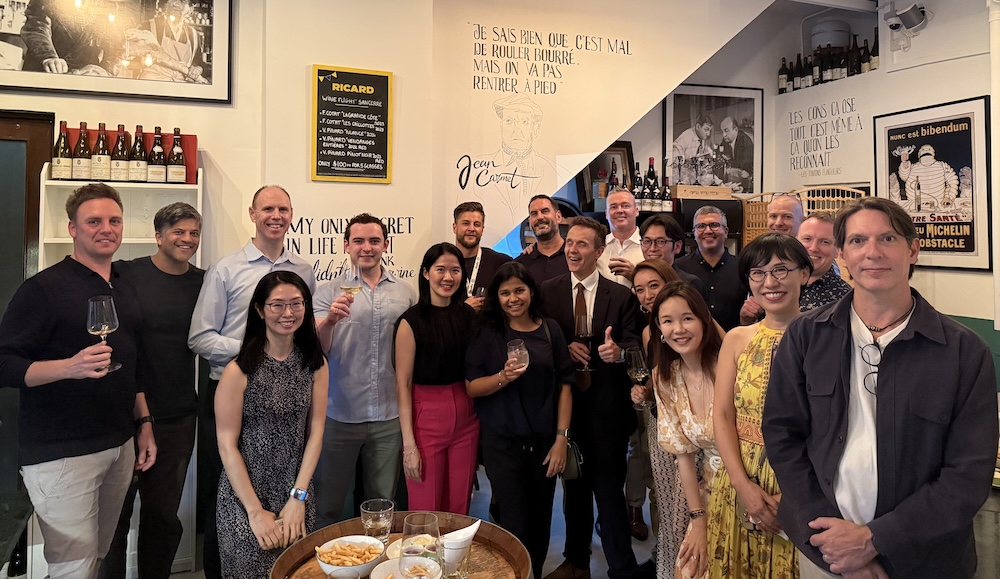
It was a pleasure to wrap up the trip with our networking event celebrating four years since we started Key Consulting. Around 25 people joined us to mark the milestone, share stories, and raise a glass to what’s next.
If you’d like to discuss trends in the Japan or APAC talent markets, I’d be happy to connect.
P.S. This was my first time in Singapore and it certainly won’t be my last!